
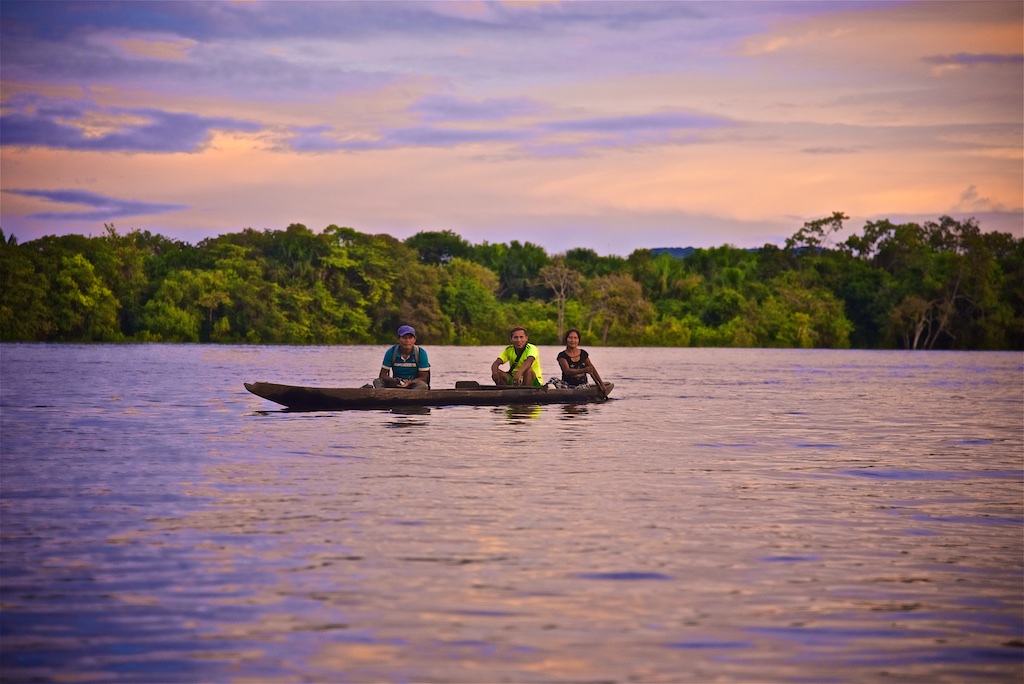
Ongoing armed conflict and extreme geography make for a very difficult missionary field among Colombia’s indigenous tribes. Today, of 105+ tribes in Colombia, only nine are considered “reached” with the gospel to the extent that there are any mature churches among them. At least 14 tribes, mostly in Colombia’s Amazon jungle region, are TOTALLY UNREACHED—meaning no believers at all. Some of these are nomadic tribes living in complete isolation. Over 60 tribes in Colombia are unreached in a more general sense, in that there might be handfuls of believers among them who may or may not be meeting together.
Our research so far validates a huge need for missionaries as we gain fresh insights into Bible translation status, language usage, discipleship, persecution, conflict, and other barriers to the gospel. While much of the data we collect is sensitive, such as names of missionaries, locations of churches, etc., basic details about each tribe can be publicly accessed through Etnopedia, which Drake has been updating—to see this, visit Etnopedia-Colombia (in Spanish). Etnopedia is itself a gargantuan project, and we are praying for volunteers to help us translate people group articles between Spanish and English, as well as into Portuguese, French, and Dutch, to serve missionary movements across South America with accurate, up-to-date information!
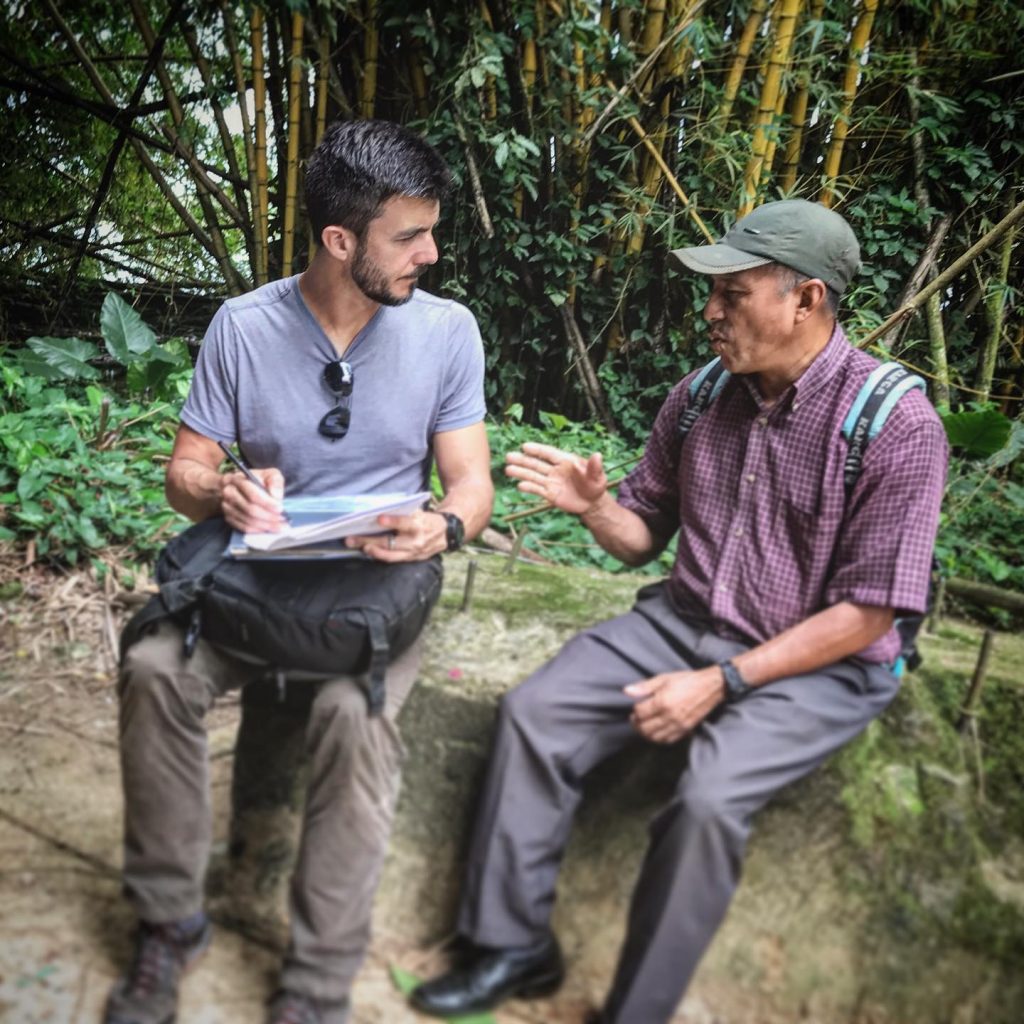
Last month in Bogota, Drake and his team led the “Consulta Sobre Pueblos Indígenas No Alcanzados en Colombia” (Consultation about the Unreached Tribes of Colombia). Many representatives from major North and South American mission agencies involved in tribal ministry attended. For several hours, Drake presented our progress in surveying and mapping Colombia’s tribes. This generated LOTS of interest, as there has never before been a survey of this magnitude done of each tribe specifically to help the missionary movement in Colombia.
It is encouraging to see the survey project rapidly evolve from a concept to what we now see as a rallying point for key leaders of indigenous missionary movements. The example set here in Colombia is inspiring similar movements in Bolivia, Ecuador, Peru, and Suriname as they seek to replicate this work as part of a strategy to reach remote tribes—many of whom you will not find on any current map.
As our work in Colombia continues, we are branching out into Peru and Bolivia. In April, Drake traveled to Bolivia as part of the core leadership team of MTO (the Three Waves Movement). While our focus there at the moment is facilitating the healthy expansion of Bolivia’s network of indigenous churches, this involves training missionaries to “ground truth” the realities among Bolivia’s tribes through field surveys. In Bolivia, we were reminded of real risks we face in this work, as Drake had a very close encounter with kidnappers posing as police officers in Santa Cruz. We are thankful for the Lord’s protection over Drake, as he maintained situational awareness, resisted, and fled while he had the opportunity. As always, we appreciate prayers for safety!
In the Darien jungle of Panama, we are developing a relationship with a ministry that equips indigenous missionaries to serve in unreached tribal communities across the border in Colombia. As part of their training, missionaries learn to install off-grid water access/filtration systems, a skill that may allow them access to communities otherwise closed off to missionaries—a common situation in western Colombia. These projects often involve GPS/mapping work, and Drake is exploring practical ways of training missionaries to do this themselves. During one of our visits to a remote Wounaan community, we encountered hundreds of migrants, including Africans, Bangladeshis, and Cubans, who had recently trekked across the border from Colombia. This is the infamous Darien Gap, considered among the most treacherous in the world. They are all headed to the USA. We found few with whom we could converse, as most spoke French or languages indigenous to South Asia and Africa. We did have an interesting conversation with a group of English-speaking Cameroonians. They told us about the weeks they spent in the jungles of Colombia and Panama. According to them, they witnessed a great deal of deaths, disease, and abuses by the smugglers (known as ‘coyotes’). The smuggling business is apparently an incredibly profitable one, and one has to wonder where such vast sums of funds originate to pay for these countless expeditions.
As we actively seek the Lord’s direction in local ministry, He is showing us numerous areas where we can get involved in meaningful ways while maintaining our primary focus among tribes in the Amazon jungle. Whether in Panama or South America, serving indigenous communities or migrants, we are always encouraged to extend the reach of the gospel through partnerships with other ministries—that we may glorify God as a complete body together in Jesus!