In September 2025, I spent just over a week traveling throughout a significant portion of Colombia’s western region. My purpose there was to help facilitate a partnership between Gospelink and a tribal-led missionary movement called RELIEC (Spanish acronym for “Network of Indigenous Evangelical Leaders of Colombian”). For many years, RELIEC has been successfully engaging and discipling tribes in remote jungle regions. Being a tribal network, they have a unique advantage accessing parts of Colombia where outsiders, even non-tribal Colombians cannot. Another local ministry, Wajaro, is a vital link to developing this relationship between Gospelink and RELIEC. Also on this trip I helped lead a team of men from a North American church on an expedition to find local producers and exporters of specialty coffee with whom to develop business relationships as a means to sustain ministry projects in the Amazon jungle. Again, Wajaro was instrumental in all manner of logistics and local connections.
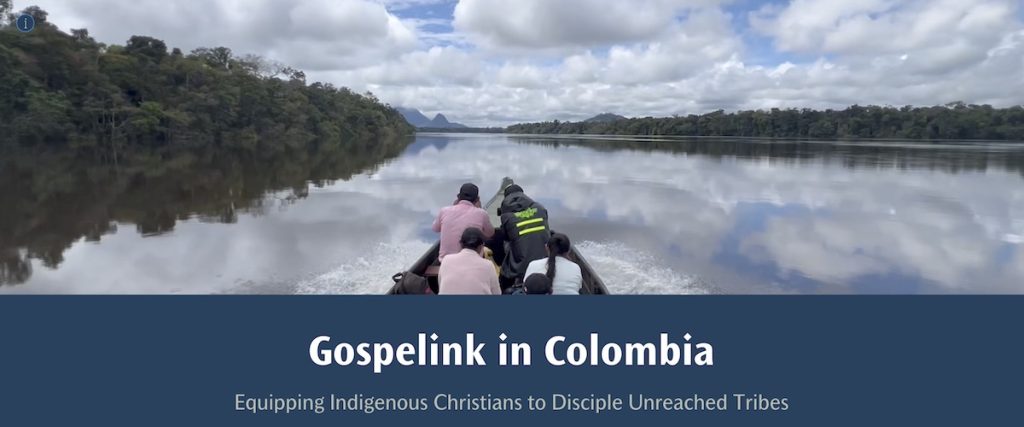
Visit this Storymap to learn more about Gospelink & RELIEC in Colombia.
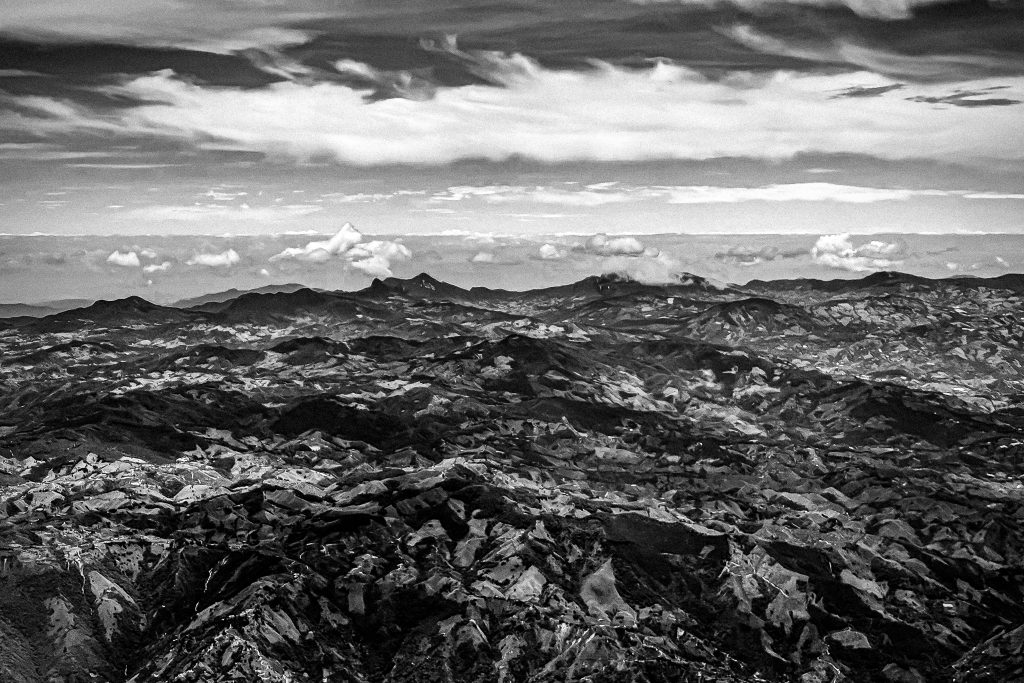
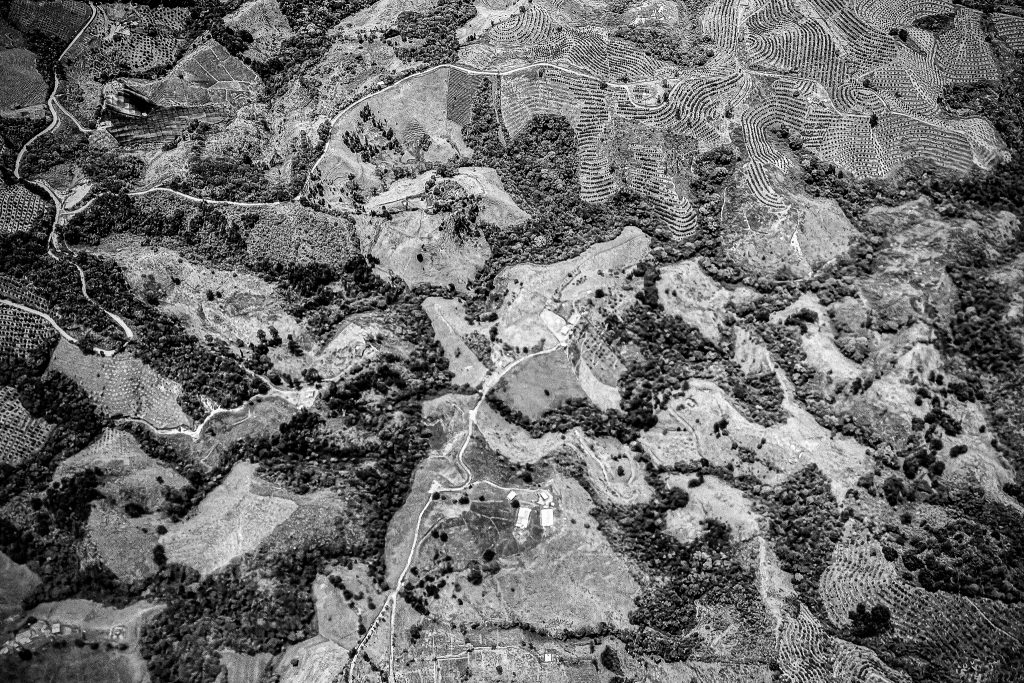
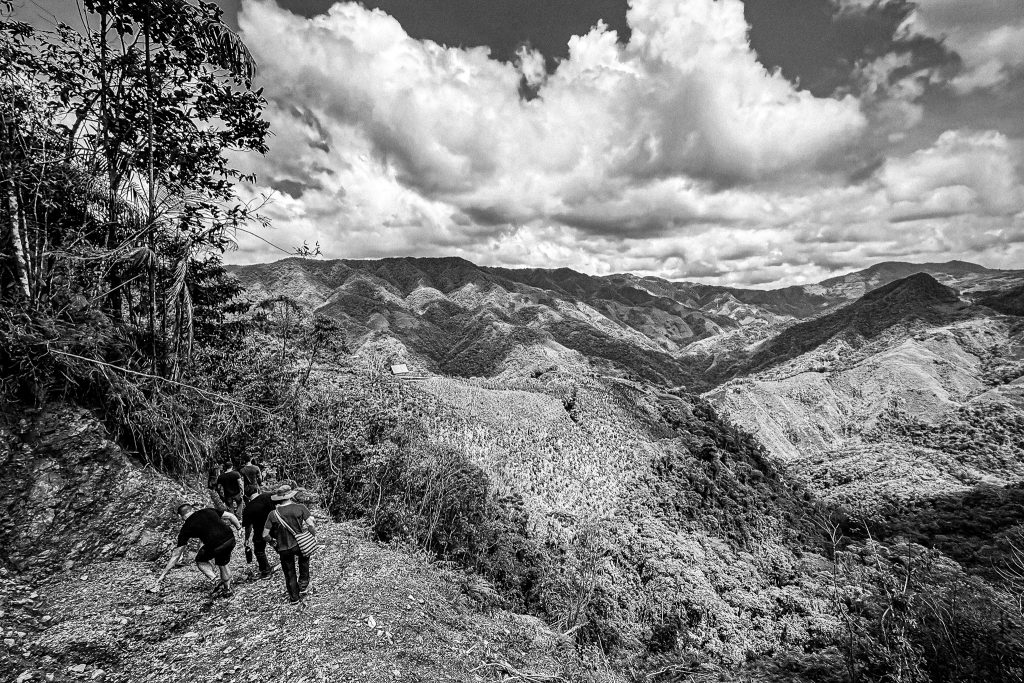
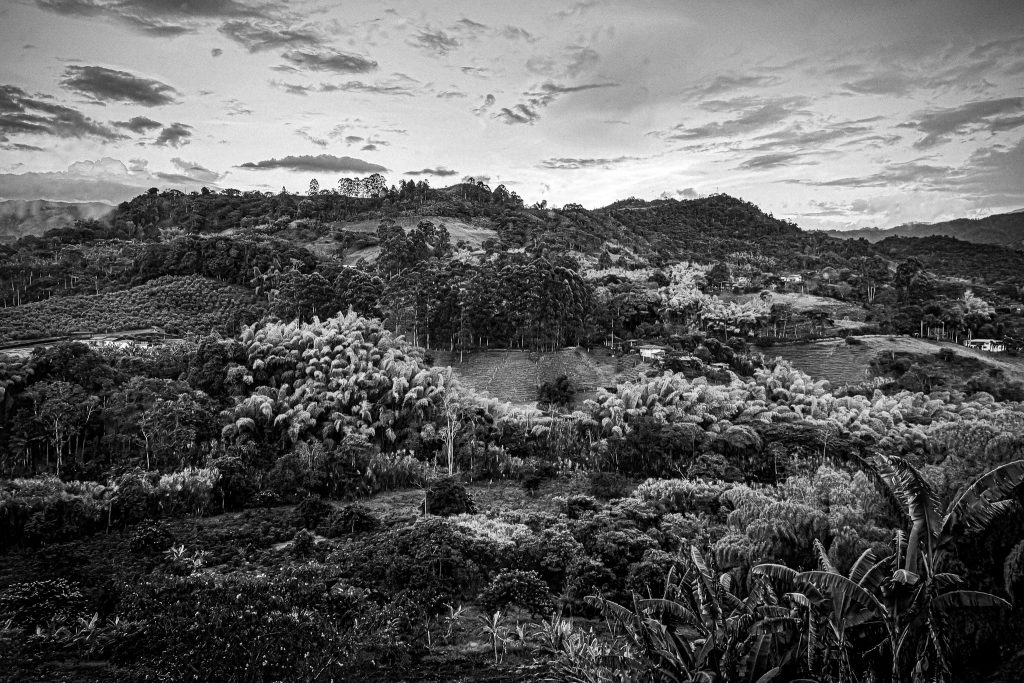
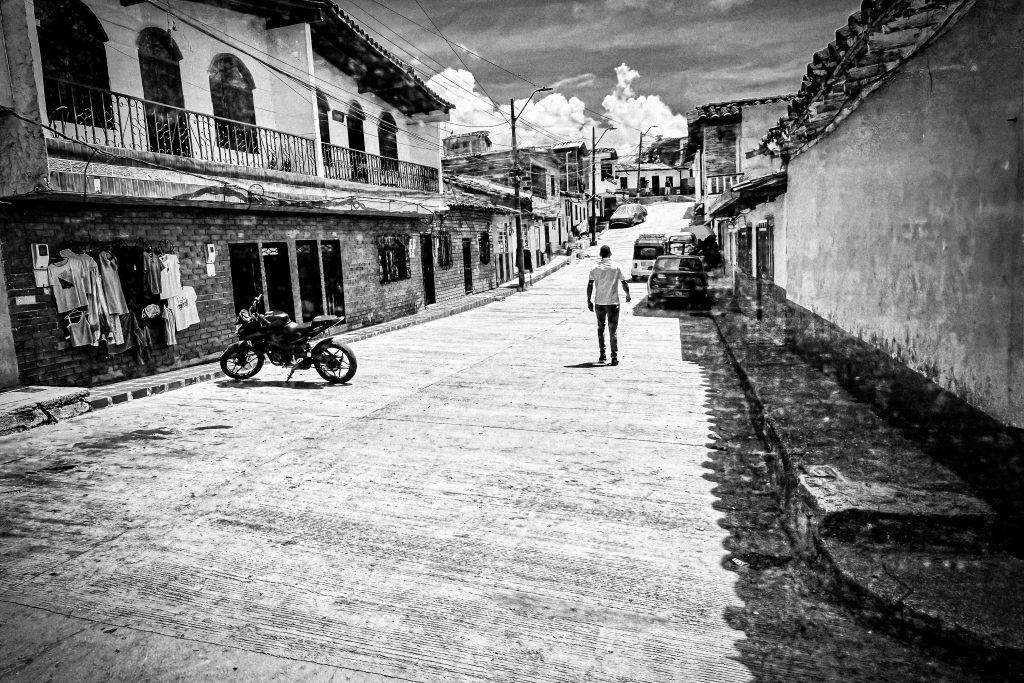
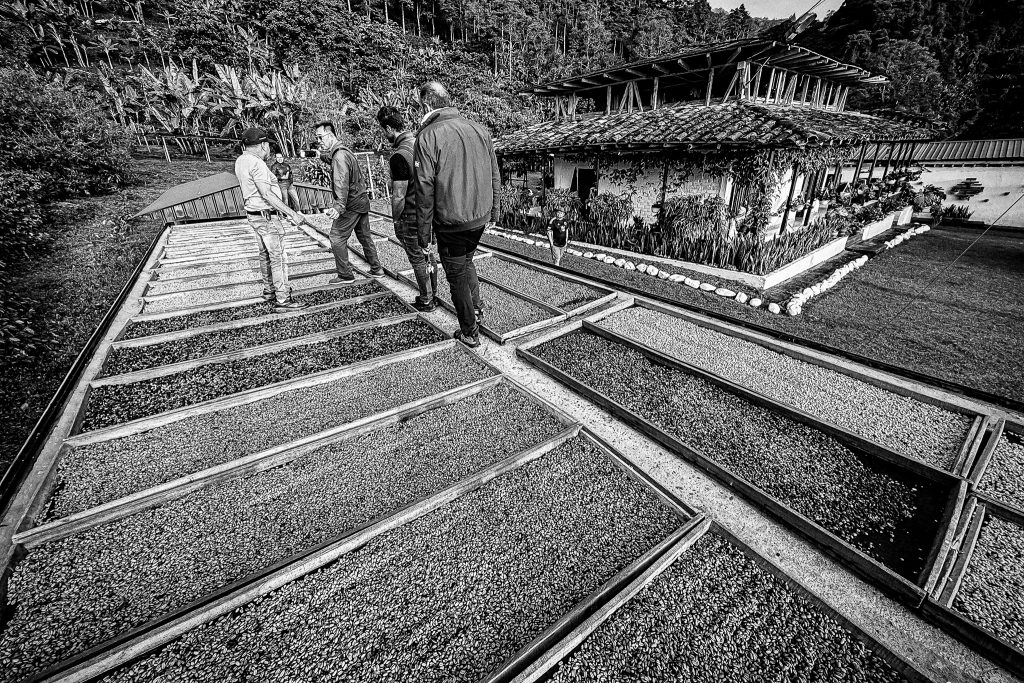
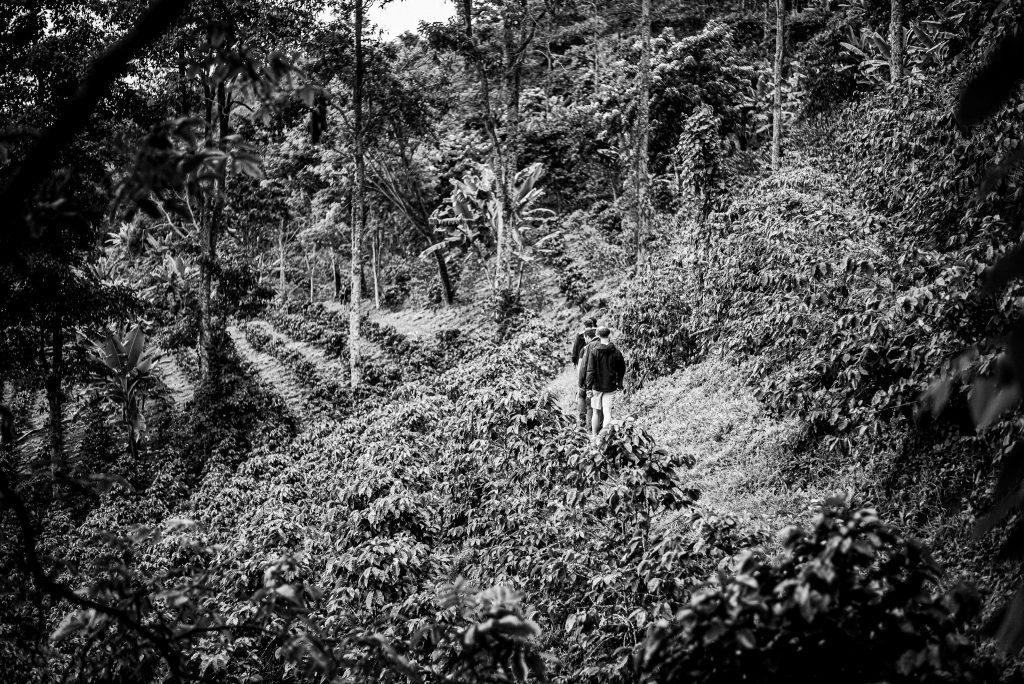
Flying into Medellin, we set out on an adventurous roadtrip that would take us through much of Colombia’s renown coffee growing region known as the “Eje Cafetero”. Over the course of eight days we traveled through seven departments (their version of states in the USA). Some of these areas are considered ‘severe’ by the U.S. State Department for risk of terrorism. Along the way we visited 10 coffee farms and met with the Misak and Nasa leaders of RELIEC in their tribal communities within a very volatile region of Cauca department. I had spent considerable time in this region just a few years ago, and it was wonderful to return once again.
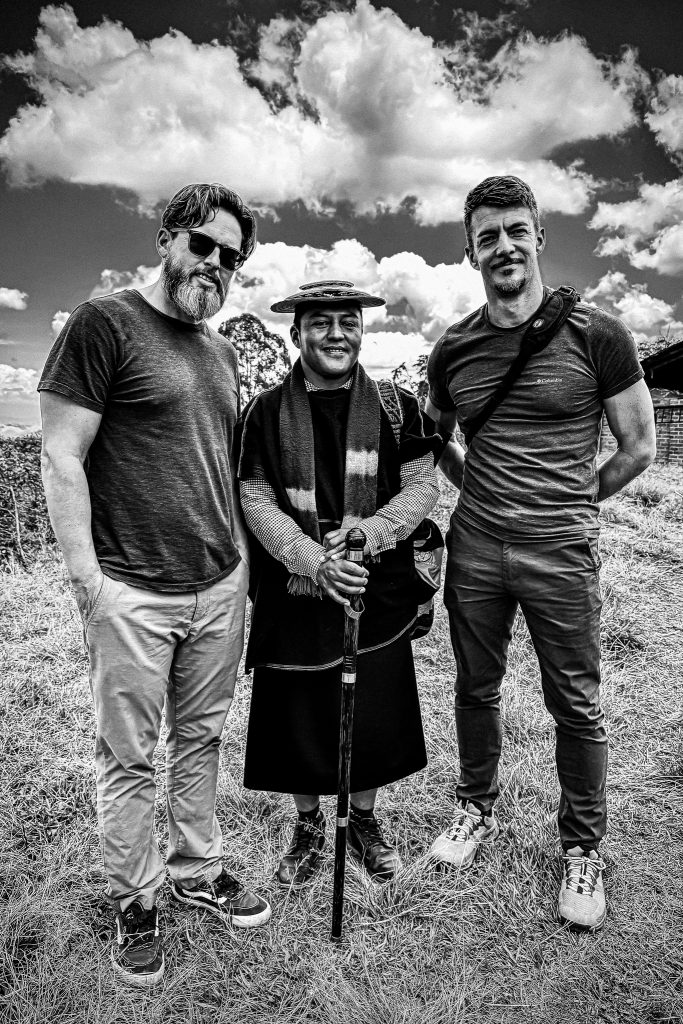
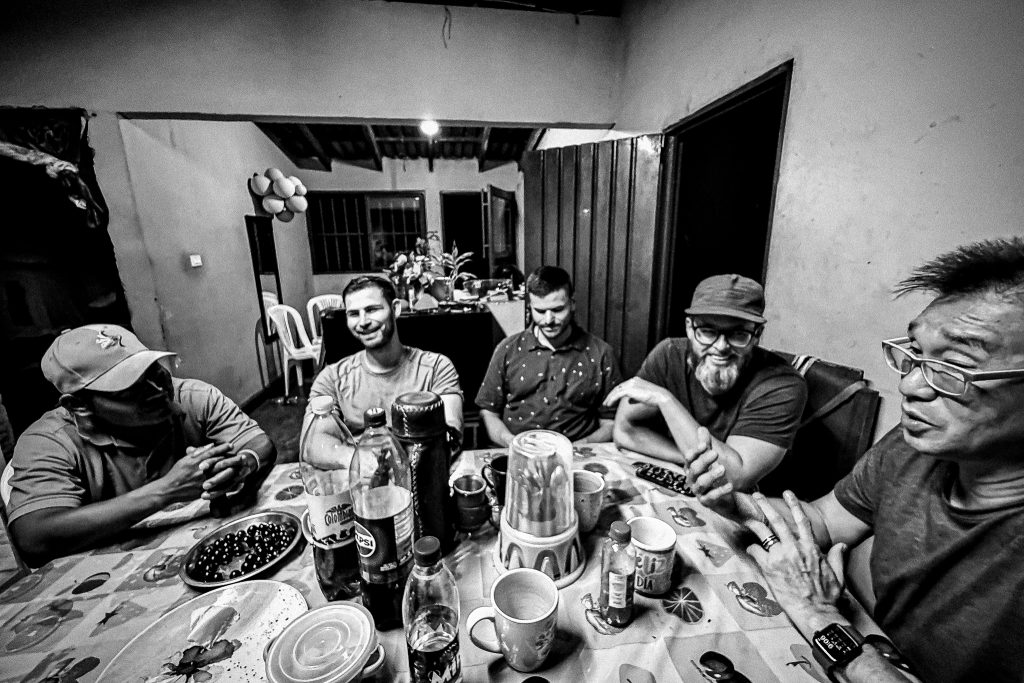
Pictured are Stephen and Drake of Gospelink and the head mayor of a network of Misak towns and villages in Cauca.
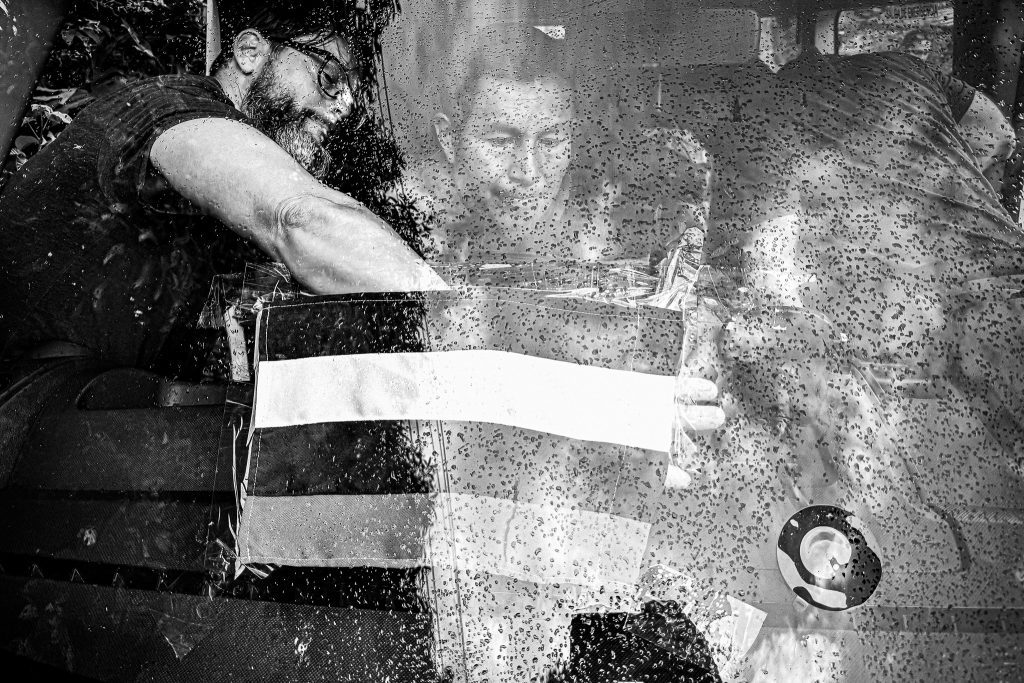
Receiving us warmly into their homes and village churches, we had a productive time in fellowship and exploring ministry partnership potential. We learned during that time that these tribes operate significant coffee-growing operations. We had hoped to visit some of their farms, but that would have brought us in contact with insurgents known to patrol these areas. There has been ongoing fighting throughout this region between armed rebel groups and the Colombian military. Boundaries of political control shift often and unexpectedly. In fact, a town where we met with a group of tribal Misak leaders had only a few days earlier been retaken from insurgents by the Colombian army. For this meeting we had to affix a special flag to our windshield as a sign of our ‘neutral’ status.
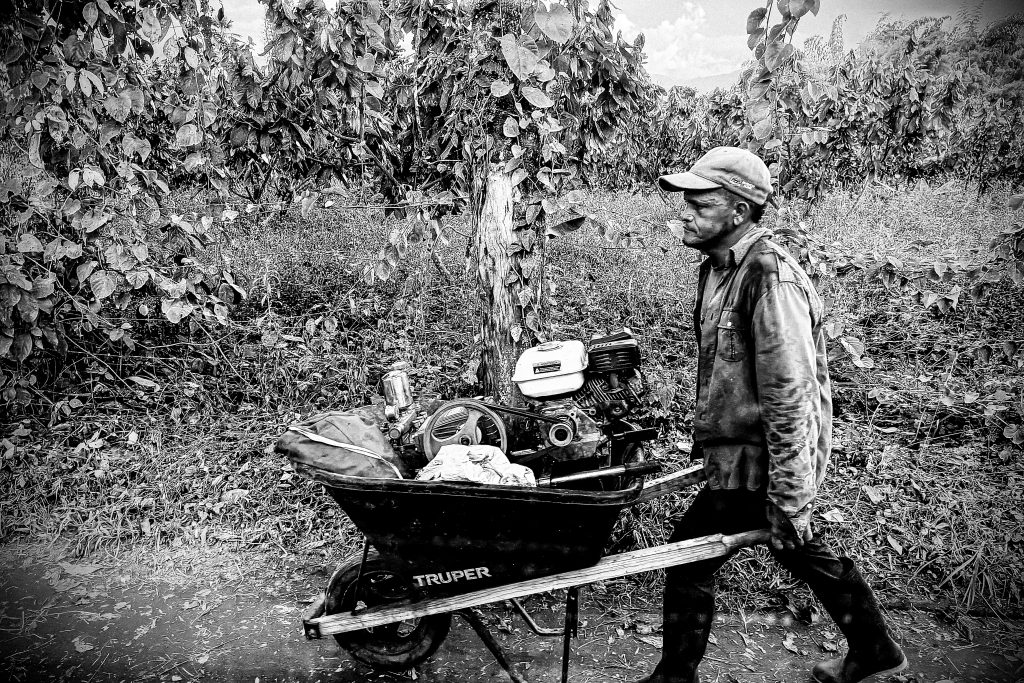
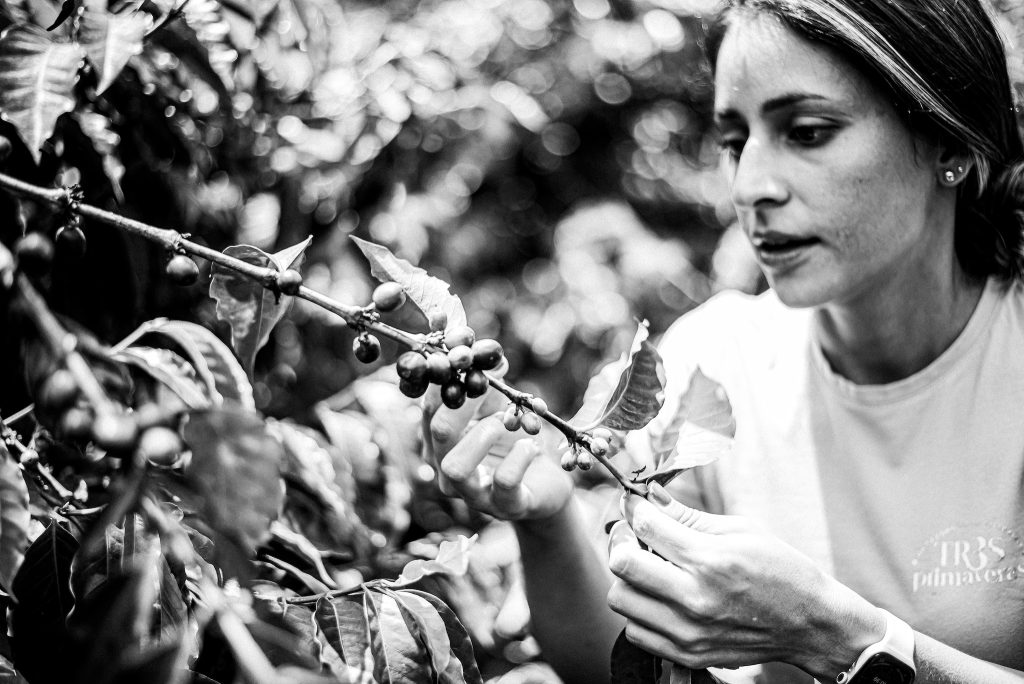
The knowledge we gained from our meetings was invaluable both in terms of ministry vision and also opportunities to invest in a coffee venture to help sustain their ministry. The team from the North American church included experienced coffee experts, including at least one certified Q Grader. They provided guidance and encouragement to groups of tribal Nasa and Misak farmers who grow coffee for the local sale but aspire to diversify into specialty coffee production. We discovered that many of these farmers also produce coca and marijuana. However, especially among the Christians, there is a desire among these tribes to shift towards products that will not inevitably end up in the illicit narcotics trade. Thus, coffee, among other crops, are viable options. Despite their desire, any major shift too quickly would run the risk of reprisals by cartels. This is a very serious matter, as murders and kidnappings are very common here.
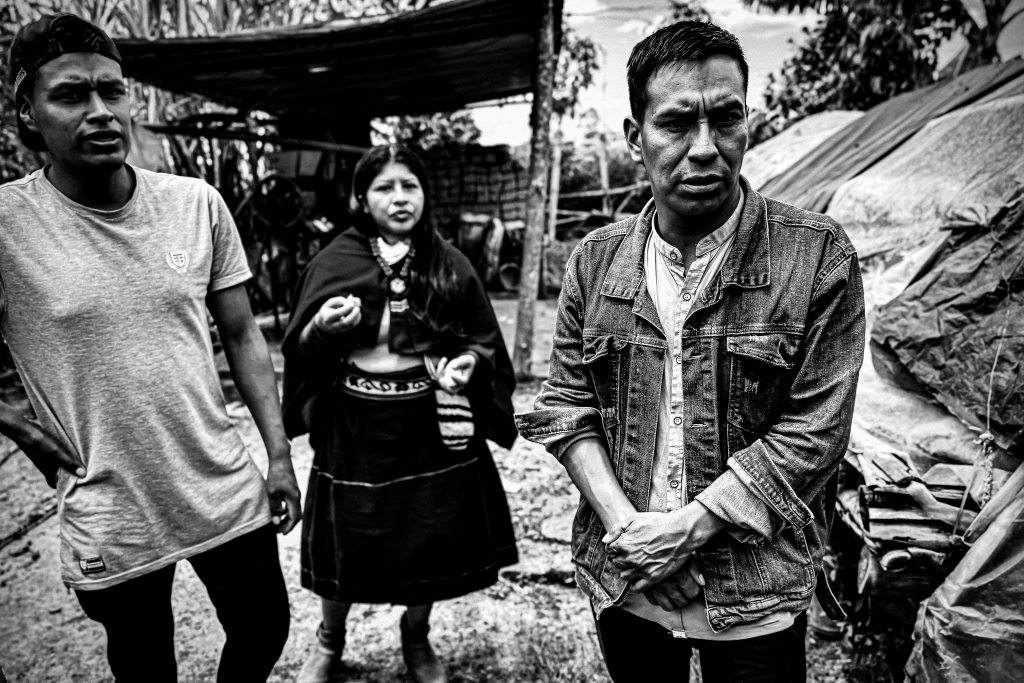
Despite the challenges these tribes face owing to the contested nature of where they dwell, they remain cohesive and resolute in their desire to survive as tribal nations. Notably, it is the Christians among them who are exceptionally active in matters affecting self determination of their peoples. Mature in their faith and under extreme pressures, they understand the true meaning of love for family and neighbor as read in the Bible. For them, it is an expression of such Christian love that compels them to see their communities thrive. They have an acute awareness of the concept of ‘nation’ in the Biblical sense that most westerners cannot comprehend, or have been convinced for various reasons is somehow wrong. For them, the land where God placed them is inextricably linked to who they are. It is blood and soil. Thus, we see tribal Nasa and Misak churches eager to see their people thrive. And not just their own, but tribal peoples across Colombia. This is the motivation behind RELIEC, through whom this meeting between us and the tribal farmers was facilitated.
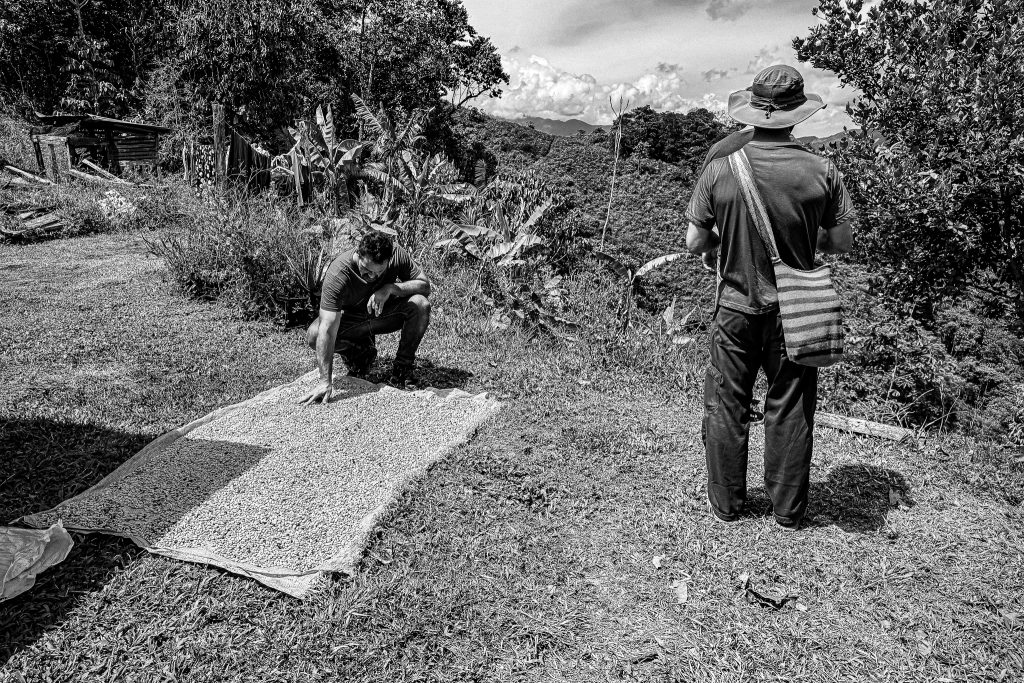
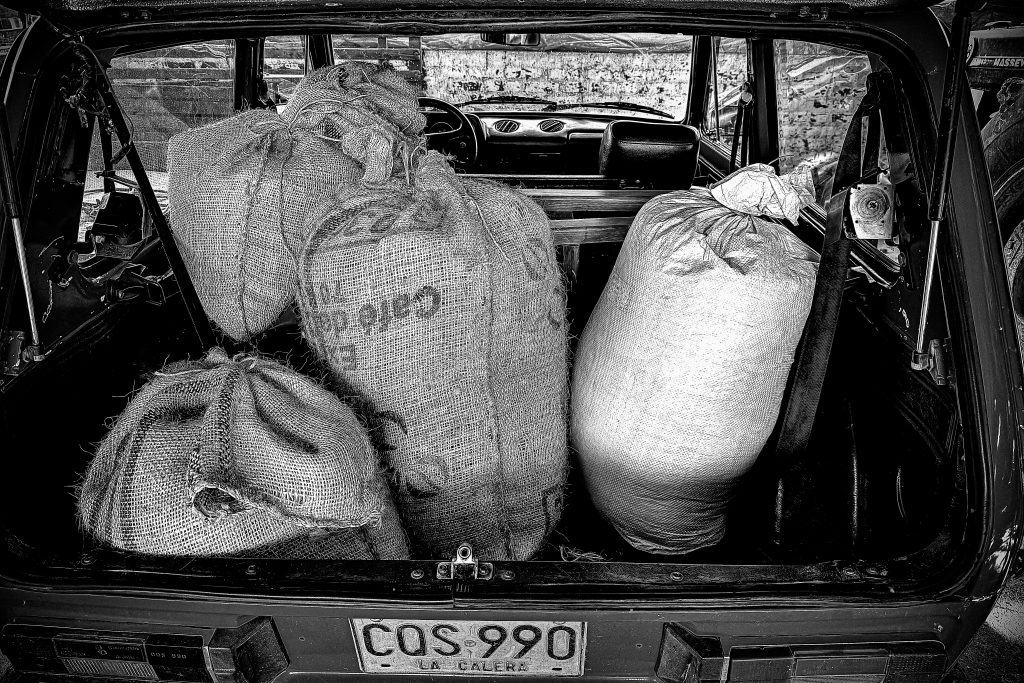
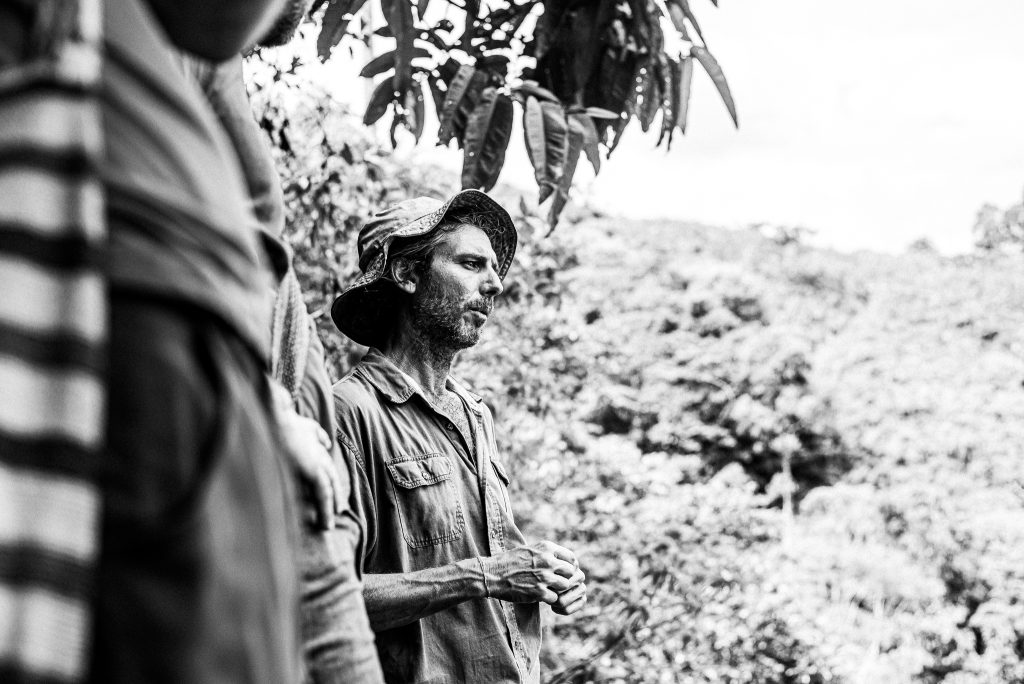
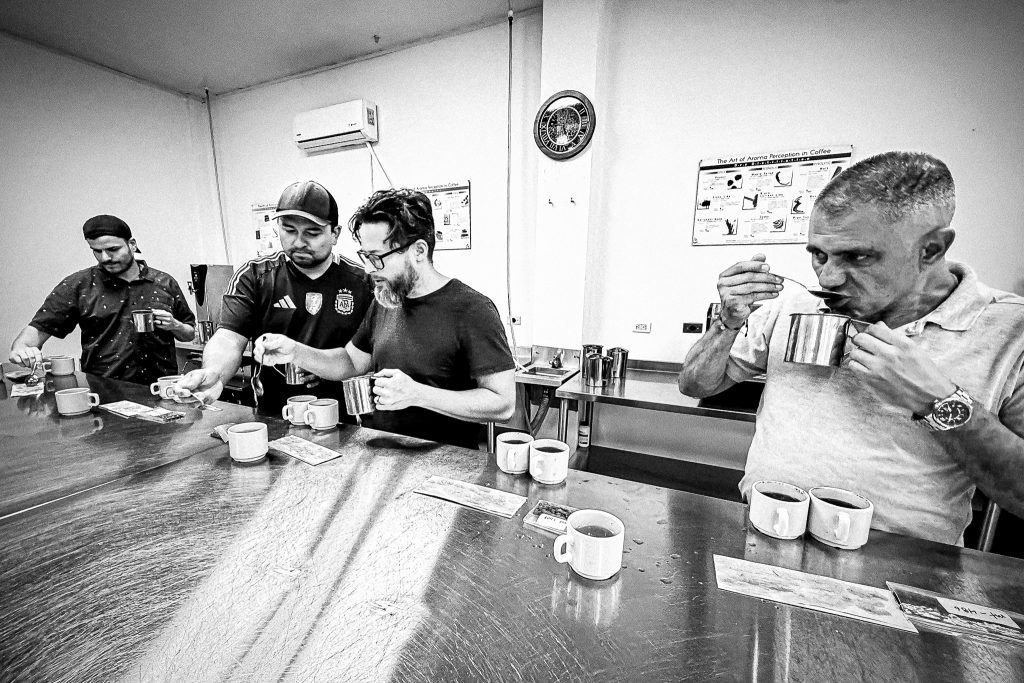
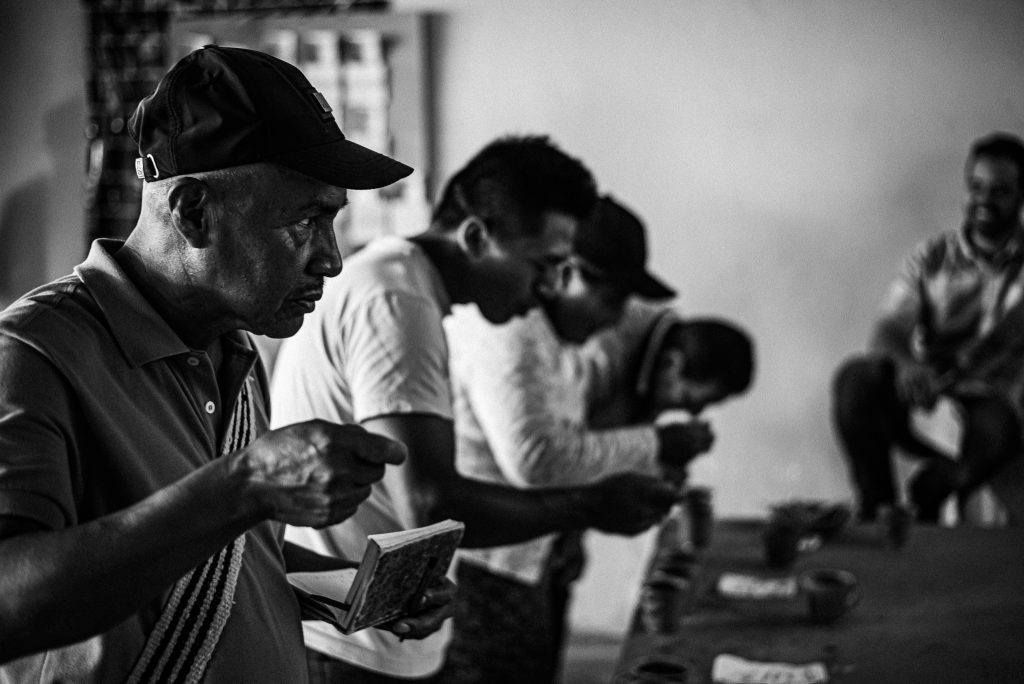
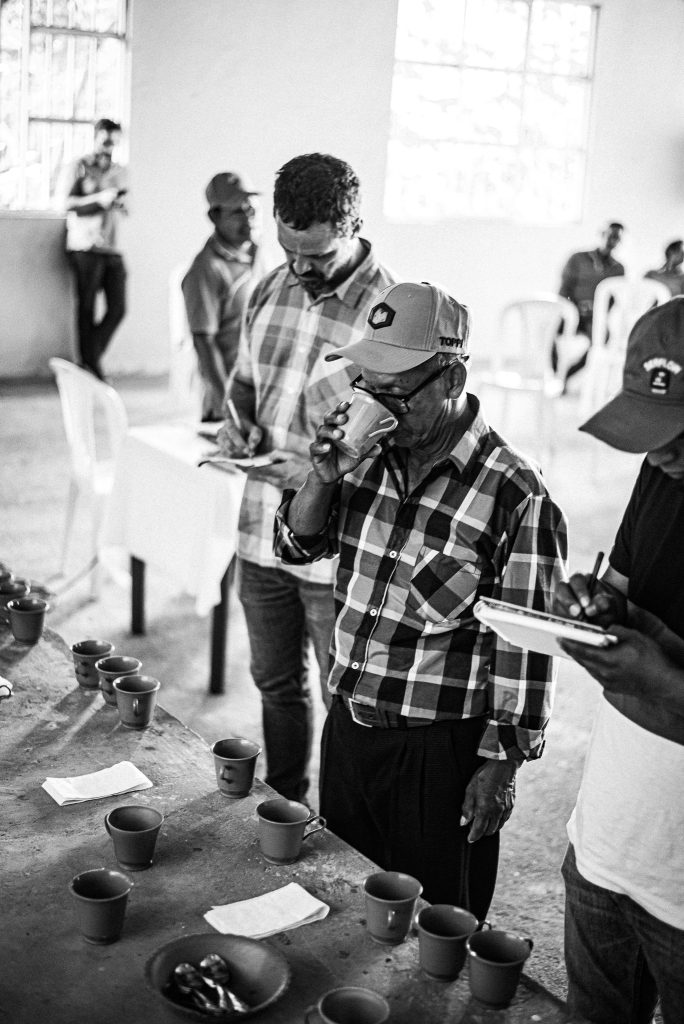
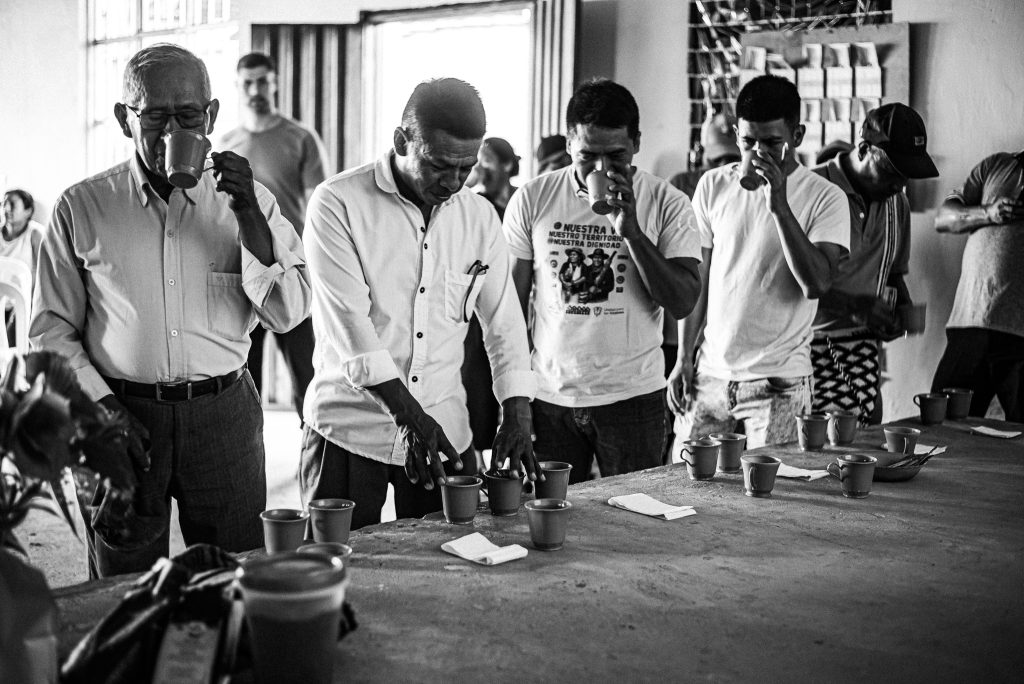
Some of the farmers traveled great distances to attend. They all currently produce various quantities of coffee for domestic consumption, albeit of low-grade quality and thus heavily roasted. This is what every common Colombian knows as ‘tinto’. Domestic tastes in Colombia are changing though in favor of specialty coffee varieties which can be sold at greater profit (though dealing with middlemen will always be contentious). The experts on our team conducted a course for the farmers. This involved a cupping session to compare specialty coffee varieties with what they currently produce so that they could experience the notable. They could tell good coffee when they tasted it. With great enthusiasm, notebooks in hand, they sniffed and sipped the varieties and jotted down their observations. They were greatly encouraged to know that adjustments to their current practices were quite doable.
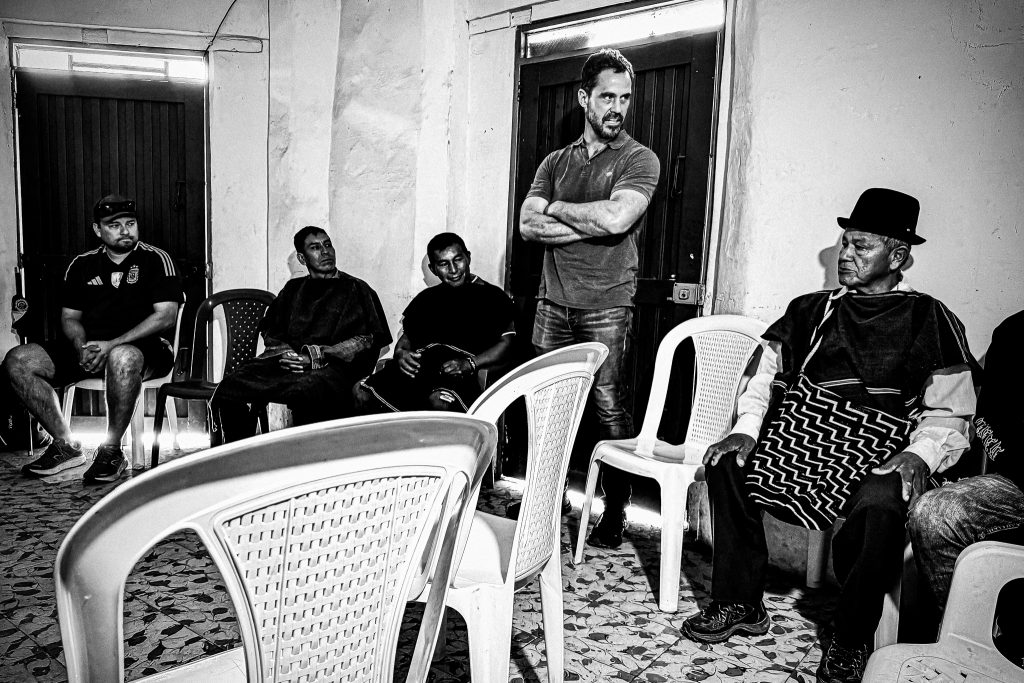
From the Nasa community we traveled into Misak territory where we had to take the special security precautions. Misak mayors gathered from across the various towns and villages, and we spoke at length about coffee. With great enthusiasm, the head mayor took us on a tour of some of their communities, including visits to coffee and sugarcane plantations. Again, opportunities for deeper partnership in ministry with the Misak church (part of RELIEC) and a potential coffee venture were discussed. As Cauca was our final stop, we said our goodbyes and visited just a couple more (non-tribal) coffee operations in the region before making the day’s drive back north to Medellin.
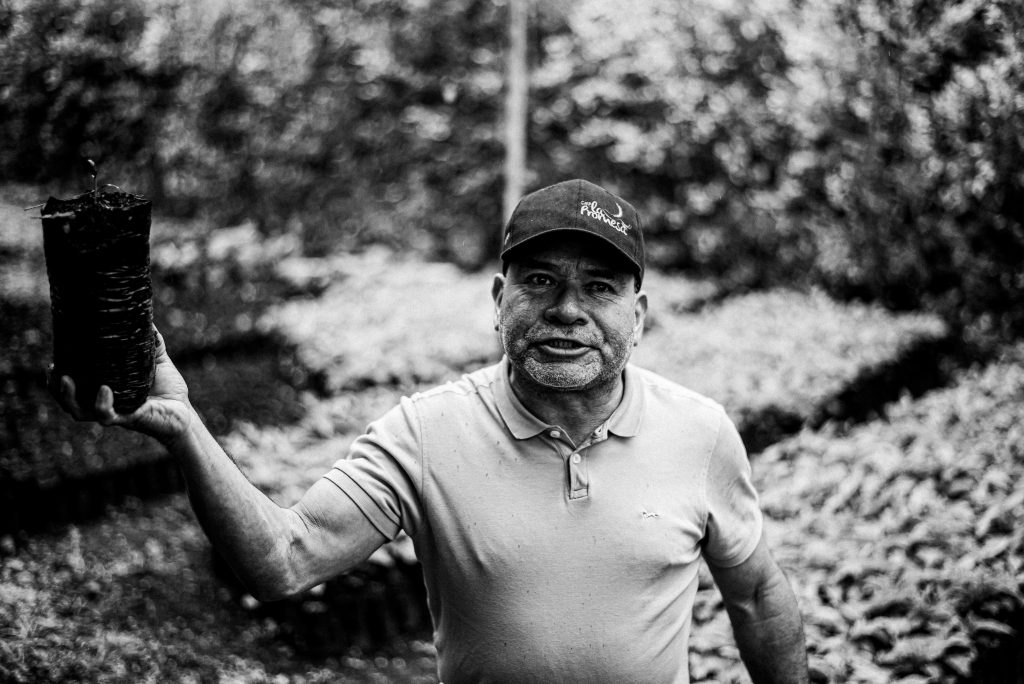
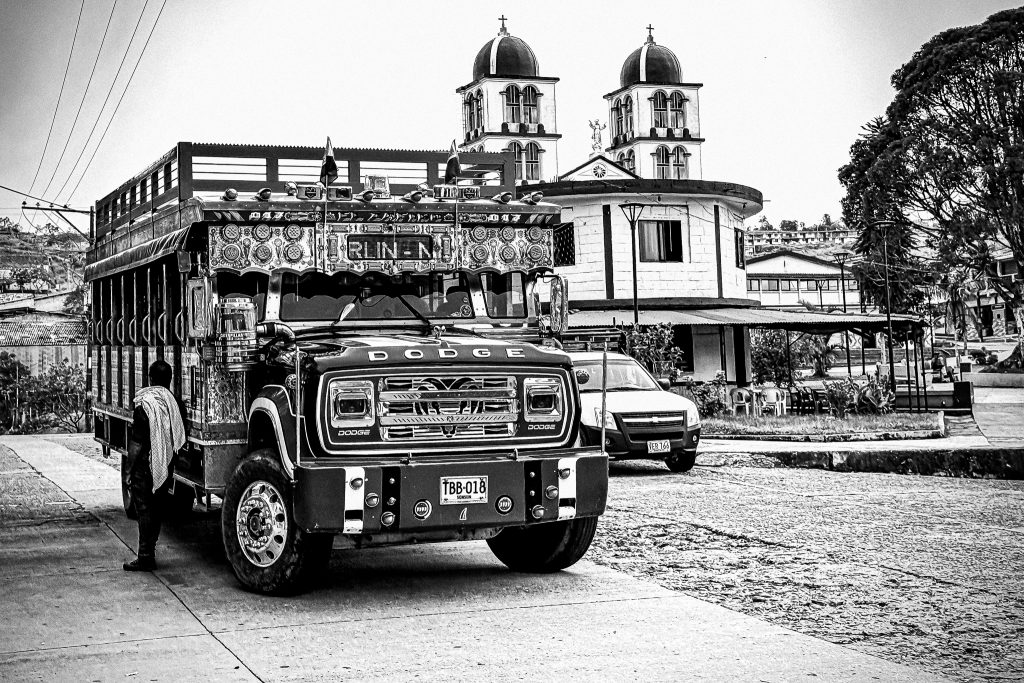
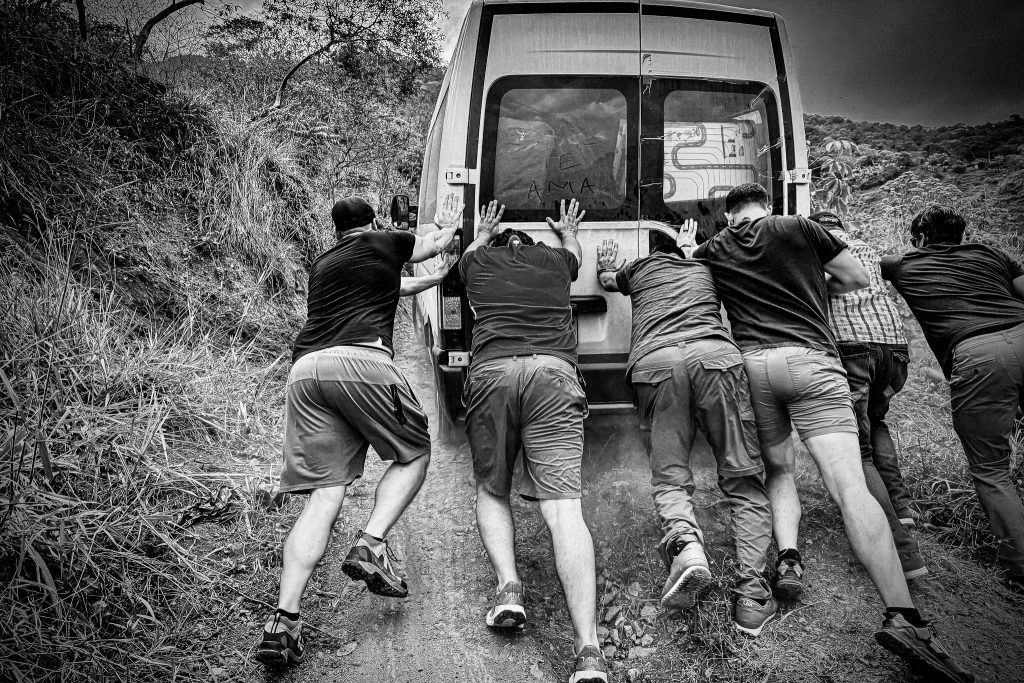
We traversed many rough, windy mountain roads and trails over those eight marathon days, pushing the limits of our rental van – and our stomachs. Several of the coffee farms, including some for sale, were located far off the beaten path. By God’s mercy, aside from getting stuck on a steep mountain trail at one point, we did not encounter any significant problems. I am grateful for the opportunity to help advance a ministry dedicated to assisting tribal groups in Colombia and other places worldwide thrive in Biblical truth as unique nations in all manners of life and livelihood. This trip was unique for me. Having been to Colombia on many occasions, mostly within the lowland Amazon jungle, I never previously experienced the highland coffee growing region. Coffee-as-ministry adds a new dimension to the work I have been involved with for over 20 years among tribal people groups. I look forward to what the Lord reveals through this and aspire to a day when I can enjoy freshly brewed specialty coffee varieties back home sourced by the very tribal farmers we met in Colombia.